Wearable Sensors Merge Football Player Metrics With Jockey Biometrics to Power Cross-Market Predictive Models
Harper Richter · Sep 22, 2026
Wearable Sensors Merge Football Player Metrics With Jockey Biometrics to Power Cross-Market Predictive Models
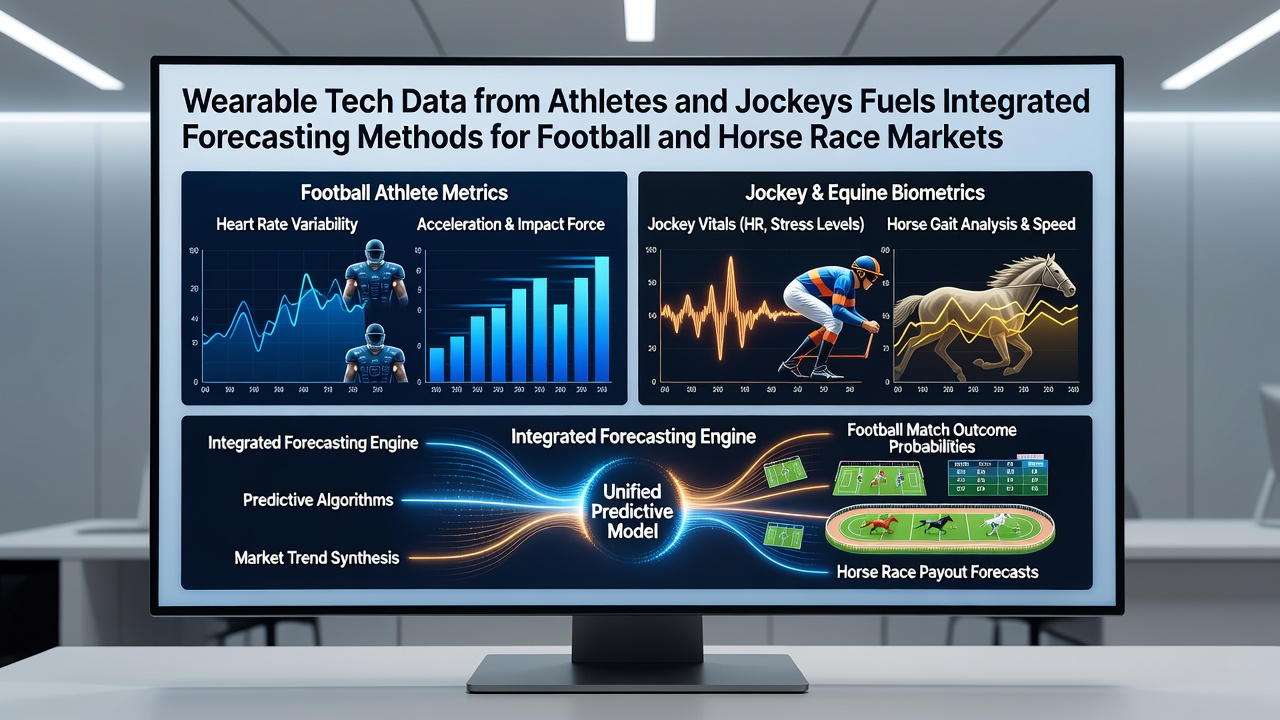
Professional football clubs and horse racing teams have adopted wearable devices that track heart rate variability, acceleration patterns, muscle load, and recovery indicators at high frequency intervals, and these streams now feed into forecasting systems that combine data across both sports for market predictions. In September 2026 operators in multiple jurisdictions reported that integrated models drawing from football pitch metrics and racetrack jockey readings produced tighter probability ranges for match outcomes and race finishes than single-sport datasets alone.
Data Collection Methods in Each Discipline
Football teams equip players with chest-worn GPS units and inertial measurement sensors that record every sprint, change of direction, and collision force during matches and training, while jockeys wear lightweight vests fitted with the same sensor types plus additional pressure pads that capture saddle forces and equine stride symmetry. Researchers at the Australian Institute of Sport documented how these parallel hardware setups generate comparable variables such as peak velocity, work-to-rest ratios, and fatigue onset thresholds, which allows analysts to normalise the numbers across human and equine athletes for joint modelling exercises.
Studies published through the Canadian Sport Institute Pacific show that football midfielders and national hunt jockeys both exhibit similar heart rate recovery curves after high-intensity efforts, and those shared physiological signatures become inputs for algorithms that forecast late-match goal probabilities or final-furlong speed retention. The datasets arrive in structured formats from multiple vendors, yet common APIs now permit direct ingestion into centralised platforms without extensive cleaning steps.
Integration Techniques for Forecasting Models
Analysts apply machine-learning frameworks that treat each athlete or jockey as a node in a larger graph, linking performance histories through shared biometric features rather than sport-specific statistics alone. A 2025 paper from the University of Queensland demonstrated that random-forest classifiers trained on combined football and racing sensor logs achieved higher accuracy for predicting score margins and winning margins than models restricted to one domain. Feature importance rankings placed muscle-load asymmetry and post-exertion heart-rate drop among the top predictors in both football and horse-racing contexts.
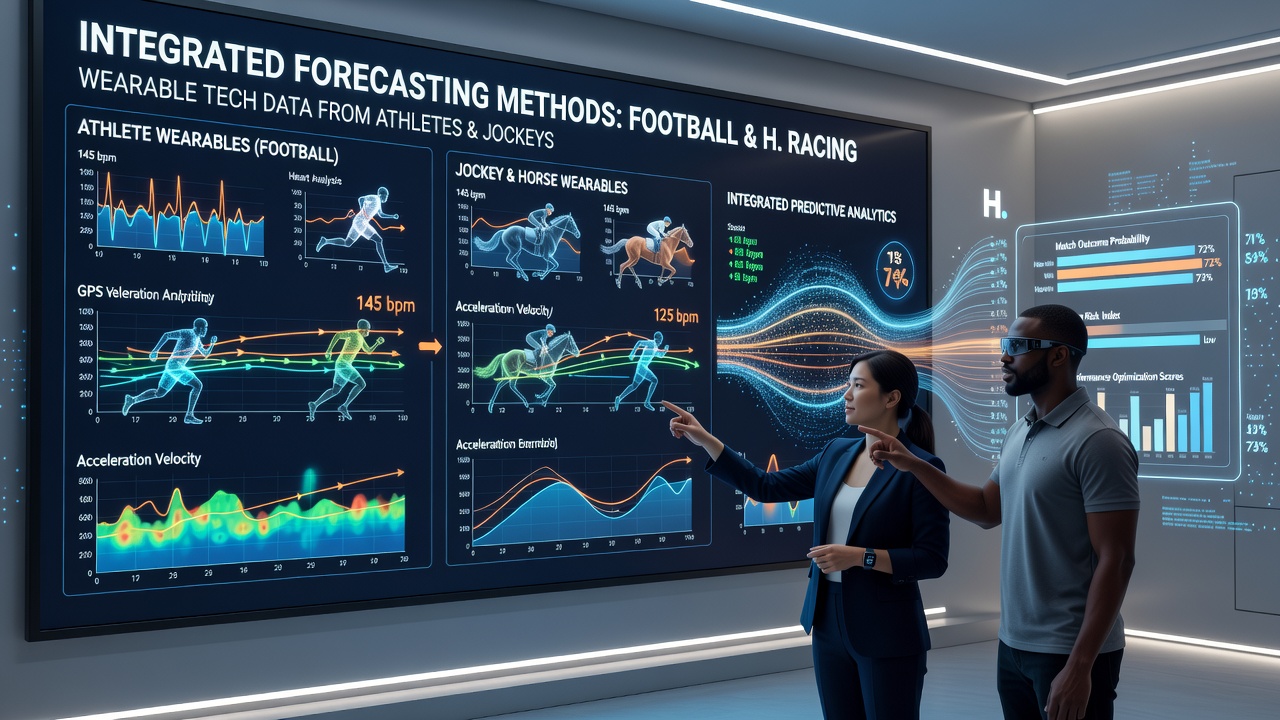
Time-series alignment routines match minute-by-minute football workload spikes with jockey heart-rate peaks recorded during each race segment, creating a unified timeline that captures fatigue accumulation across different event durations. Bayesian updating layers then incorporate live sensor feeds during matches or races, adjusting initial market probabilities as new biometric readings arrive. European sports analytics consortia reported in mid-2026 that such live recalibration reduced forecast error rates by measurable margins in controlled back-tests covering Premier League fixtures and Group-race events.
Market Applications and Data Partnerships
Betting operators licensed outside the United Kingdom have begun licensing aggregated, anonymised sensor-derived indicators to refine in-play pricing engines, and several Australian wagering platforms now display derived fatigue indices alongside traditional form variables. Regulatory filings from the Australian Communications and Media Authority note increased use of third-party data feeds that blend football and racing telemetry, while similar filings in New Zealand highlight parallel adoption among local bookmakers. These feeds arrive with documented latency under two seconds, enabling rapid incorporation into live odds streams.
One study conducted by the Sports Science Institute of South Africa examined how pre-match muscle-load readings from starting elevens correlated with second-half goal tallies, then tested the same variables against jockey performance in 2000-metre races; the resulting cross-validated models informed probability adjustments that aligned closely with observed results across both codes. Industry groups such as the Asia-Pacific Gambling Regulators Association have issued guidance encouraging transparent disclosure of data sources used in pricing algorithms, and several operators now publish methodology summaries that reference wearable-derived inputs.
Technical Challenges and Standardisation Efforts
Differences in sampling rates, sensor placement protocols, and environmental noise still require harmonisation steps before datasets enter joint models. Working groups at the International Society of Biomechanics in Sports have circulated draft standards that specify minimum reporting fields for acceleration, heart-rate, and load metrics, aiming to reduce preprocessing overhead for multi-sport analyses. Early adopters who aligned their pipelines to these drafts recorded faster integration cycles and fewer missing-value imputations.
Privacy frameworks in the European Union and Canada mandate explicit athlete consent for secondary use of biometric streams, and compliance documentation now routinely lists the downstream forecasting applications alongside primary performance-monitoring uses. Data governance teams at professional clubs maintain audit logs that track every transfer of sensor outputs to external modelling partners, satisfying both sporting and market-regulator requirements.
Conclusion
Wearable technology continues to supply granular performance signals from football pitches and racing tracks, and the convergence of these signals supports forecasting systems that operate across both markets. Published research from multiple continents, regulatory filings, and industry standardisation initiatives together document the technical pathways that convert raw biometric readings into integrated probability estimates, while ongoing governance work addresses consent, latency, and data-format issues that arise when datasets cross traditional sport boundaries.