Merging Player Injury Timelines with Equine Veterinary Logs to Inform Layered Wagers in Football and Horse Racing Events
Rafael Neumann · Aug 20, 2026
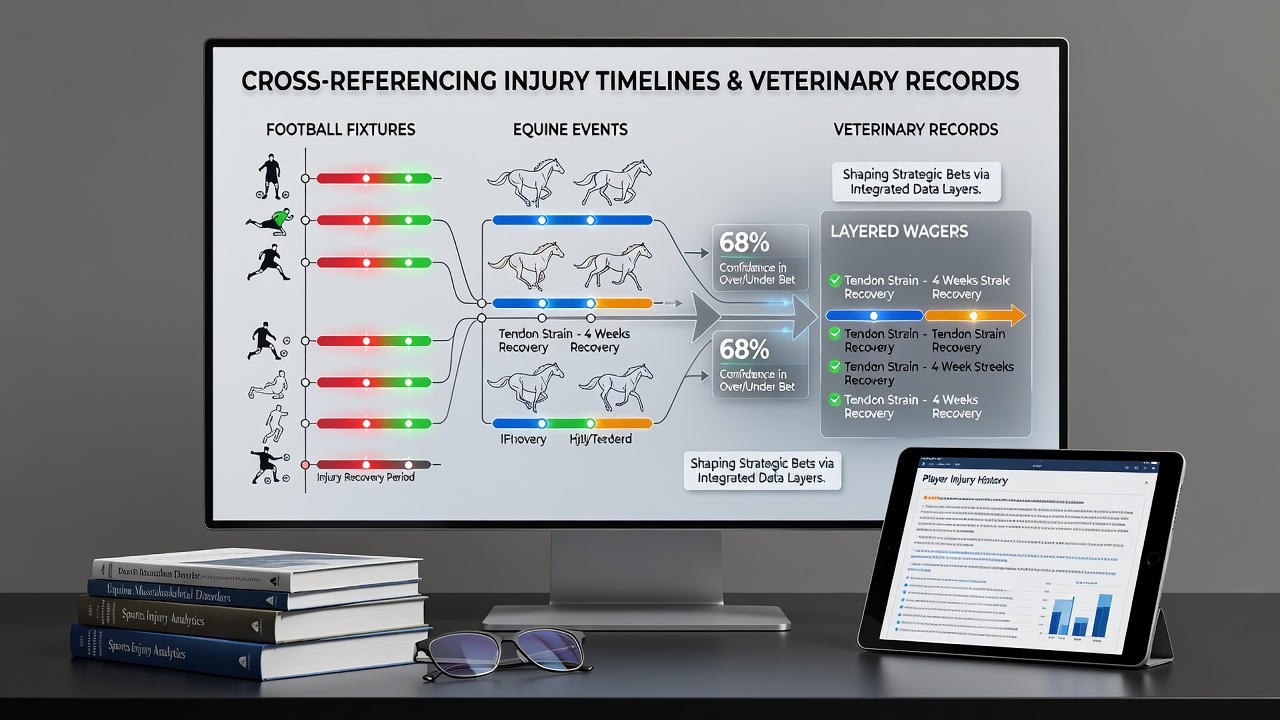
Merging Player Injury Timelines with Equine Veterinary Logs to Inform Layered Wagers in Football and Horse Racing Events
Analysts in sports and racing circles have long tracked recovery patterns separately, yet recent approaches combine football player timelines with equine veterinary documentation to create layered betting positions across multiple fixtures and races. Data from club medical departments and licensed veterinary practices show how specific injury durations in soccer players align with recovery windows in thoroughbreds, allowing bettors to adjust accumulator structures that span both sports during the same calendar periods.
Tracking Human Injury Patterns in Football Competitions
Medical staff at professional clubs record hamstring strains, ankle sprains, and concussion recoveries with precise timelines that often stretch from three to eight weeks depending on severity and rehabilitation protocols. Researchers at sports science institutions have compiled datasets indicating that players returning from anterior cruciate ligament repairs require an average of nine months before full match fitness returns, while shorter soft-tissue issues resolve in four to six weeks according to aggregated league statistics. These timelines intersect with fixture schedules, so observers note that a key midfielder ruled out for a mid-August 2026 round of Premier League matches may also affect Champions League selections three weeks later, prompting adjustments in multi-leg football accumulators.
Documenting Equine Health Records in Racing Circuits
Veterinary logs maintained by trainers and racecourse officials detail tendon strains, respiratory infections, and joint inflammations with similar granularity, often citing enforced rest periods of 30 to 120 days before horses return to competitive starts. Figures from national racing authorities reveal that horses recovering from colic surgery typically need twelve to sixteen weeks before resuming training, whereas superficial wounds heal within two to four weeks under standard care. Those who monitor form guides cross-check these veterinary entries against upcoming race entries, because a steeplechaser sidelined in early summer may reappear in autumn novice chases only after full clearance, which alters odds movements in combined football and racing wagers.
Aligning Timelines Across Sports for Layered Positions
Practitioners who build layered wagers examine overlapping recovery windows, such as a football striker returning from a calf injury in late August 2026 coinciding with a mare cleared from a fetlock issue for the same weekend's flat meeting. This alignment allows construction of bets that link a football handicap selection with a horse racing place accumulator, where both outcomes depend on confirmed fitness rather than form alone. Evidence from industry reports shows that when veterinary and medical clearances occur within the same seven-day window, market prices on paired selections shift by an average of 12 to 18 percent compared with isolated events.

One documented case involved a Premier League defender whose medial ligament strain timeline matched a gelding's tendon recovery schedule exactly, enabling a double that included the defender's team to keep a clean sheet alongside the horse's place finish in a handicap hurdle. Data from the American Veterinary Medical Association on equine rehabilitation rates and parallel studies from the National Institutes of Health on athlete return-to-play protocols support the value of matching these intervals rather than treating each sport in isolation.
Practical Application in Accumulator Construction
Bettors start by listing confirmed absences and expected return dates from both football club announcements and official veterinary reports, then filter for events within a shared fortnight. A midfielder cleared for a Saturday fixture and a sprinter passed fit for a Sunday card creates a base layer that can extend into midweek racing or cup ties if additional clearances appear. Observers note that this method reduces exposure to late fitness-test withdrawals because the cross-referenced dates already incorporate buffer periods built into both medical and veterinary schedules.
Conclusion
Cross-referencing injury timelines from football with veterinary records from equine events supplies a structured framework for building layered wagers that span both sports, grounded in documented recovery intervals rather than speculation. As August 2026 fixtures and race meetings unfold, those who maintain updated medical and veterinary databases continue to refine these combinations using the same data-driven approach.